

everything that comes after.
Clarity for partners.
Dignity for communities.
displacement, disaster and recovery.

From shelter to infrastructure
DS3-Global designs modular, climate-ready shelter and infrastructure systems that support people, partners and communities from emergency response through to longterm recovery.
Our approach is simple:
Core systems create the structure.
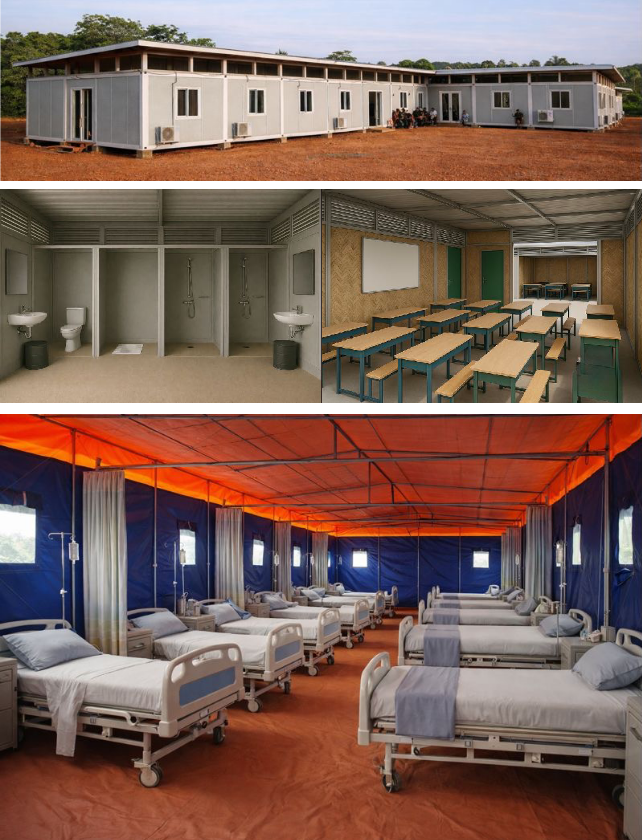
Pods create the function.
Command Centres coordinate the response.
Shelter systems that become infrastructure
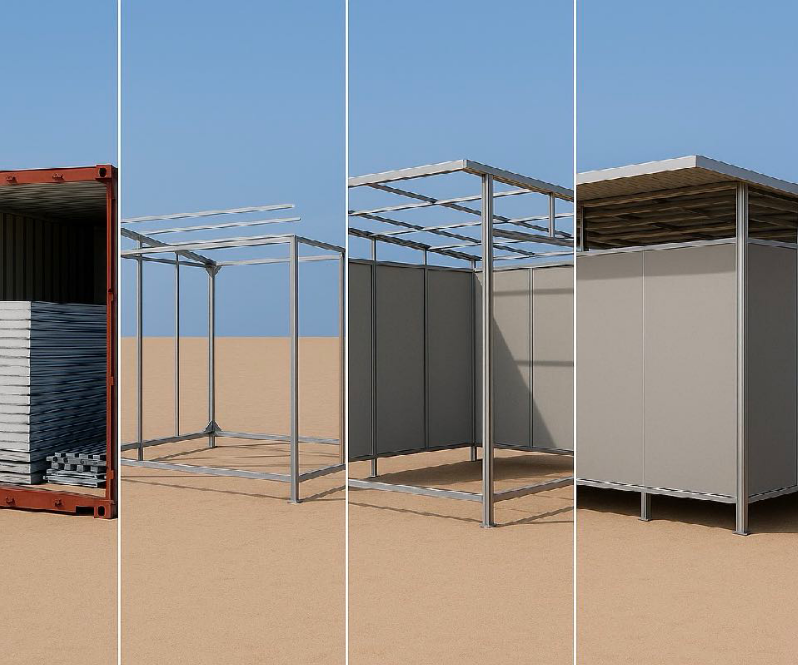
DS3 designs and delivers modular shelter and infrastructure systems that can be deployed, adapted, maintained and reused over time.
Our work begins with shelter, but it does not stop at the shelter door.
Through a shared system logic, DS3 structures can support families, services, agencies and communities across emergency response, prolonged displacement, disaster recovery and longer-term resilience.
Our work focuses on three core areas
DS3 supports humanitarian partners across shelter, infrastructure, services, and
systems providing modular solutions that can be adapted over time and across
different displacement contexts.
CommUnity Shelter+
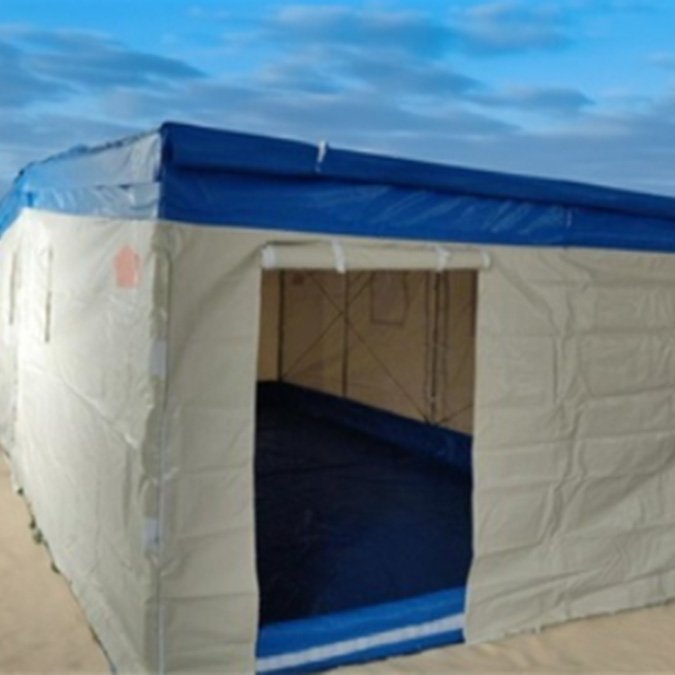
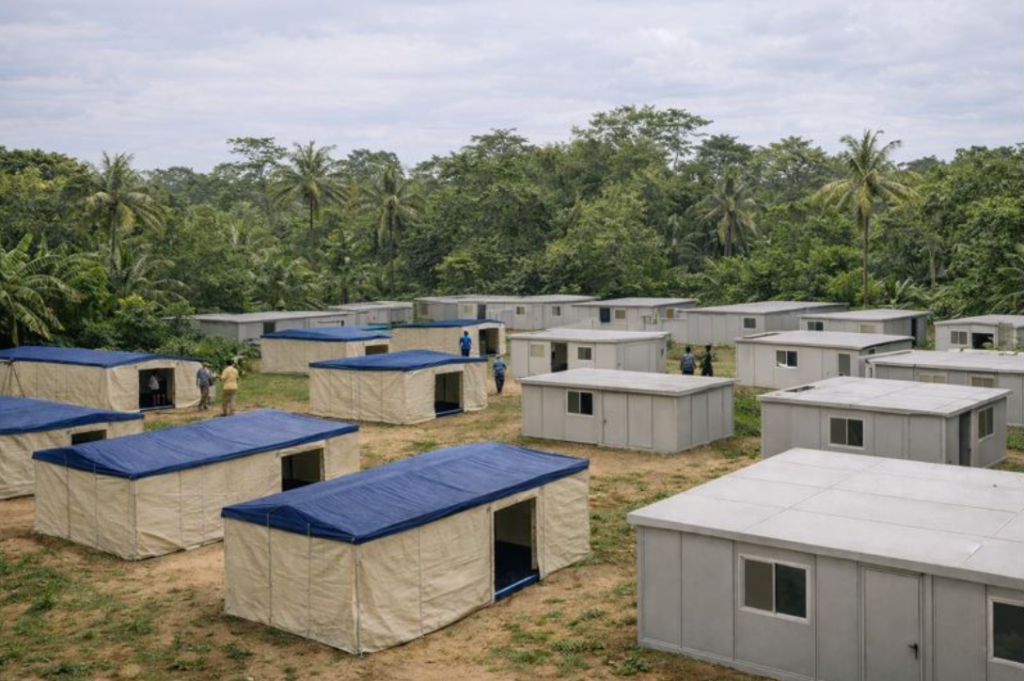
Rapid deployment, adaptable layouts, privacy for families. Units can be joined to create shared and community spaces where needed.
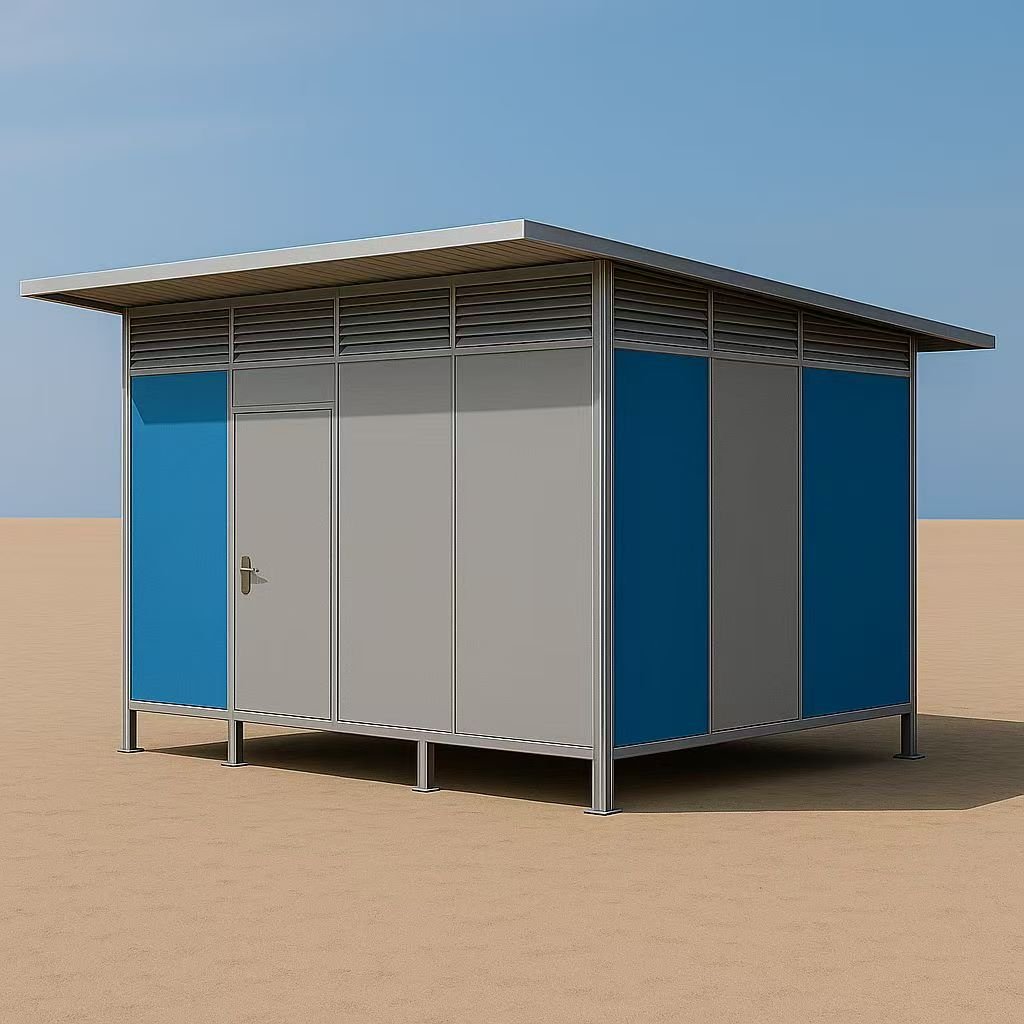
Sentinel+
More durable, modular structures designed for repeated deployment and longer use. Units can be configured singly or joined to support different layouts and functions.
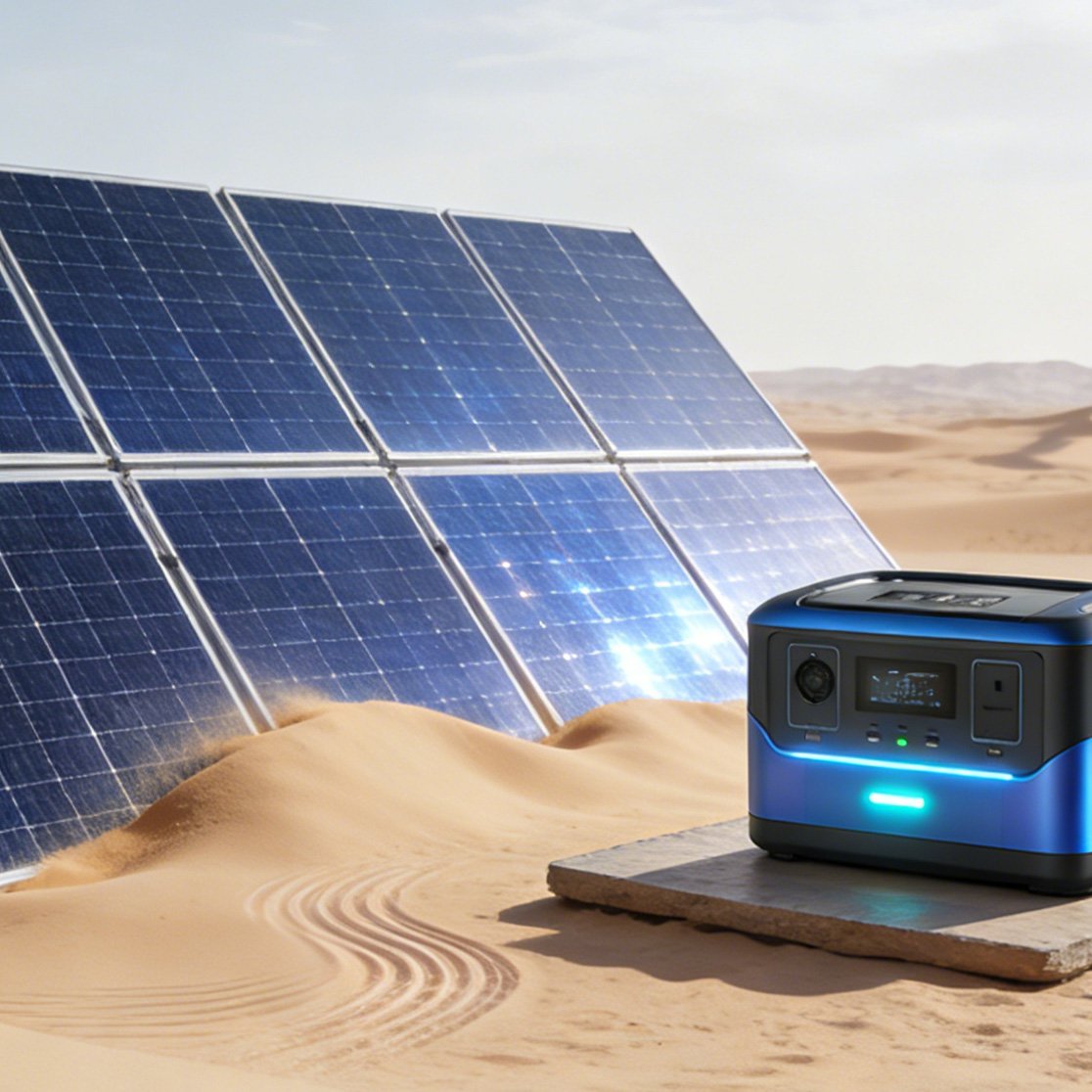
Power, fittings, insulation, accessories and service layers.
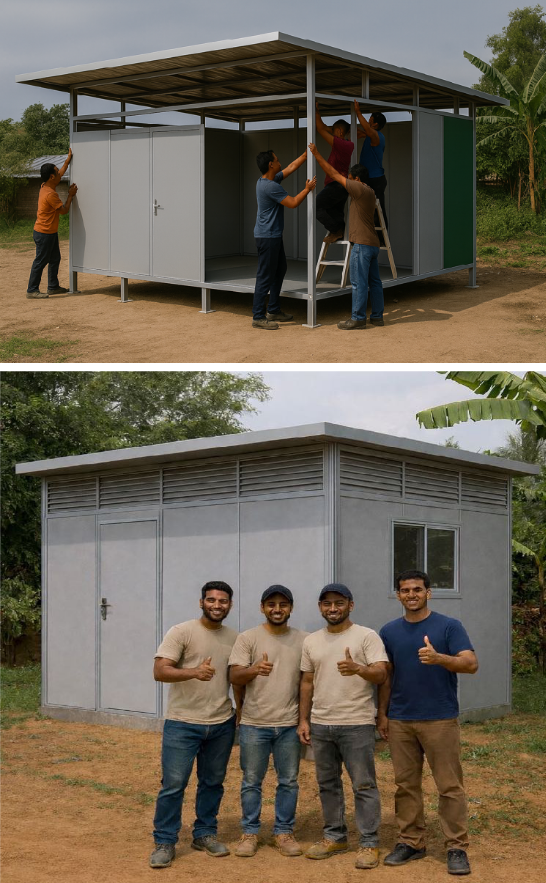
Designed with alignment in mind
DS3 systems are designed with reference to:
• relevant humanitarian shelter guidance
• UN Sustainable Development Goals
• UNHCR-coordinated shelter and settlement priorities
• localisation and local capability objectives
• accessibility and inclusion principles
• protection, privacy and dignity considerations
• climate resilience and lifecycle stewardship
• local approval and regulatory pathways
Built for dignity.
Designed for operational reality.
DS3 works within humanitarian systems to support shelter responses that are practical to deploy, respectful of people, and capable of remaining useful as contexts evolve.
Why This Approach Matters
Displacement is increasingly prolonged, yet many shelter solutions are designed for short-term use. DS3 was developed to help bridge this gap by supporting partners with shelter and infrastructure systems that prioritise safety, privacy, and usability over time, without adding unnecessary complexity.
What This Means in Practice
For displaced people and communities
- safer, more private living spaces
- shelter that supports daily life, not just survival
- inclusive layouts that consider different needs and abilities
- familiar shelter typologies
- adaptable configurations across contexts
- compatibility with existing tools, processes, and guidance
- clearer visibility of costs over time
- reduced repeat procurement and waste
- disciplined, risk-aware deployment
Designed to work together from the outset.
The core idea
DS3 is not a collection of individual products.
It is a system built around a shared design logic.
All DS3 shelters, structures, upgrades and supporting tools are designed to
work together in consistent ways. This helps reduce complexity in the field,
improves reliability and allows partners to adapt responses over time without starting again.
Practical delivery.
Local capability.
Responsible outcomes.
Our approach
DS3 works with partners and local delivery capacity to ensure systems can be deployed, maintained and adapted in real operational conditions.
Our approach is grounded in:
- partnership
- field testing
- refinement
- local execution
Localisation in practice
Localisation is not a slogan. It is a design decision.
Where feasible, DS3 systems are designed to be:
- manufactured regionally
- assembled locally
- maintained with locally available capability
- redeployed as needs change